Stamped & Decorative Concrete
Get the look of expensive stone or brick with the durability and affordability of concrete.
Why Choose Decorative Concrete
Stamped concrete gives you the high-end look of natural stone, slate, brick, or even wood without the high-end price tag or maintenance headaches. Real stone pavers cost 2-3 times more to install and can shift, settle, or become uneven over time. Natural stone also requires regular sealing and can be slippery when wet.
With stamped concrete, you get a solid, continuous surface that won't shift or develop gaps where weeds grow. The color goes through the entire top layer, so minor chips or wear don't expose plain gray concrete underneath. And unlike pavers that can be pulled up by freeze-thaw cycles here in Merrillville, stamped concrete stays put season after season.
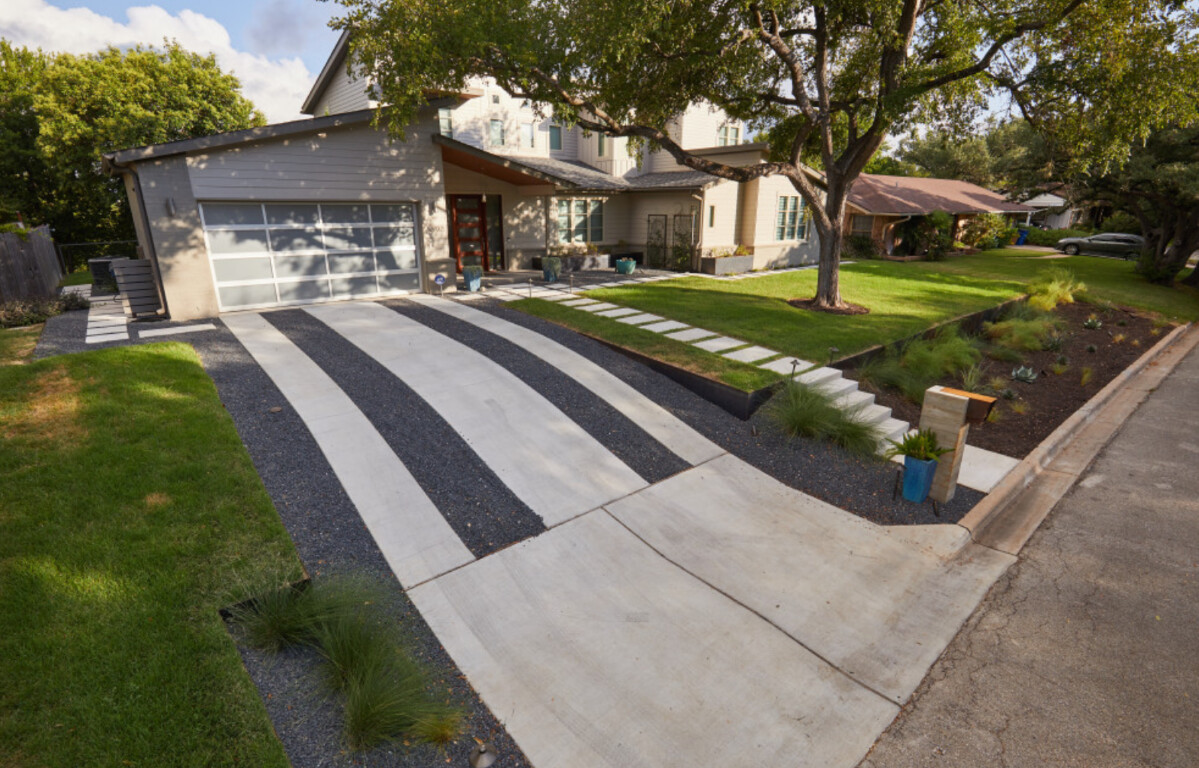
We use stamped concrete for driveways, patios, concrete pool decks, walkways, and even interior floors. It works anywhere you'd use regular concrete but want something that stands out.
Popular Decorative Concrete Options
We offer dozens of patterns and colors to match your home's style. Here are some of the most popular choices in our area:
- Ashlar Slate: Mimics large natural stone tiles with irregular edges. Great for patios and walkways with a rustic or natural aesthetic.
- Cobblestone: Looks like old European streets with rounded stones. Popular for driveways and courtyards on traditional homes.
- Wood Plank: Replicates weathered wood boards without splinters or rot. Perfect for pool decks and porches.
- Brick Pattern: Classic running bond or herringbone brick designs. Works well with colonial and craftsman-style homes.
- Random Stone: Irregular flagstone appearance with natural color variations. Looks expensive but costs a fraction of real flagstone.
Colors can be customized to complement your home's exterior. Earth tones like tan, brown, and gray are most popular, but we can do anything from warm reds to cool charcoals. We often use two or three colors together to create depth and realism.
The Stamping Process Explained
Stamped concrete isn't just regular concrete with a pattern pressed into it. The process requires careful timing and expertise to get professional results. Here's how it works:
First, we pour and level the concrete just like any other project. But before it fully sets, we apply color hardener to the surface. This adds color and makes the top layer more durable. Then we release powder, which creates color variations and prevents the stamps from sticking. Finally, we press textured mats into the concrete while it's still workable, creating the pattern.
Timing is critical. If we stamp too early, the concrete can stick to the mats and pull up. Too late, and the pattern won't imprint deeply enough. Temperature, humidity, and concrete mix all affect working time. This is why stamped concrete services require specialized training and experience that not all concrete contractors have.
After stamping, we cut control joints and let the concrete cure. Then we clean the surface and apply sealer, which protects the color and makes the surface easier to clean. With proper sealing every 2-3 years, your stamped concrete will look great for decades.
Maintenance and Long-Term Care
One of the biggest advantages of decorative concrete is how little maintenance it needs compared to alternatives. Sweep it regularly and rinse with a hose to remove dirt. For stubborn stains, use mild soap and water. Avoid harsh chemicals or deicers in winter, as these can damage the sealer.
Resealing is the main maintenance task. We recommend resealing every 2-3 years depending on traffic and weather exposure. Sealer is what keeps water out and maintains the color intensity. It's not hard to do yourself if you're handy, or we can handle it for you as part of a maintenance plan.
If you get a crack or chip, repairs are possible but matching the existing pattern and color takes skill. This is another reason why proper installation with control joints and good base preparation matters. A well-built stamped concrete surface shouldn't need repairs for many years.
Cost Considerations
Stamped concrete costs more than plain concrete but significantly less than the materials it imitates. Expect to pay roughly 1.5 to 2 times what plain concrete costs. The exact price depends on pattern complexity, number of colors, and project size. Larger projects have lower per-square-foot costs.
When comparing costs, remember to factor in long-term maintenance. Real pavers need ongoing maintenance to stay level and weed-free. Natural stone requires regular sealing and can crack or chip. Stamped concrete just needs occasional resealing. Over 20 years, stamped concrete is often the most economical choice once you account for maintenance and repairs.
We provide detailed written quotes that break down exactly what you're getting. No surprises, no hidden fees. And because we're a local Merrillville concrete contractor, we're here if you ever need service down the road.
Common Questions About Decorative Concrete
Ready to Explore Decorative Options?
We'll show you sample colors and patterns, discuss what works best for your project, and provide a detailed quote with no obligation.