Concrete Foundations & Footings
The critical structural base that everything else depends on.
Why Foundations Matter Most
Your foundation is literally what everything else sits on. A house can have beautiful siding, a perfect roof, and updated interiors, but if the foundation fails, none of that matters. Foundation problems are expensive to fix and can make a home impossible to sell. Getting it right from the start is critical.
Here in Merrillville, we deal with clay soils, freeze-thaw cycles, and significant ground movement throughout the year. These conditions make proper foundation design and installation even more important. We've seen too many foundation problems caused by contractors who didn't understand local soil conditions or cut corners on prep work. When we build concrete foundations in Merrillville, we're building for 50+ years of trouble-free performance.
Types of Foundations We Build
Different projects need different foundation types. Here's what we commonly work on:
- Full Basement Foundations: 8-10 inch thick poured concrete walls extending below frost line with proper waterproofing and drainage systems.
- Crawlspace Foundations: Shorter foundation walls with ventilation, vapor barriers, and proper grade beams for structural support.
- Slab-on-Grade: Integrated foundation and floor slab with thickened edges, common for homes without basements.
- Garage Foundations: Separate structures requiring their own footing system designed for vehicle loads and door openings.
- Addition Foundations: Matching new foundations to existing structures while ensuring proper tie-in and load transfer.
- Pole Barn Footings: Individual concrete piers or continuous footings designed specifically for post-frame construction.
Each type has specific engineering requirements and building code specifications we follow. The frost depth in our area requires footings to extend at least 36-42 inches below grade to prevent heaving from frozen ground.
The Foundation Building Process
Building a proper foundation takes time and can't be rushed. The process typically starts with excavation to the correct depth, which varies based on frost line requirements and soil conditions. We may need to dig deeper in areas with poor soil or add engineered fill to create stable ground.
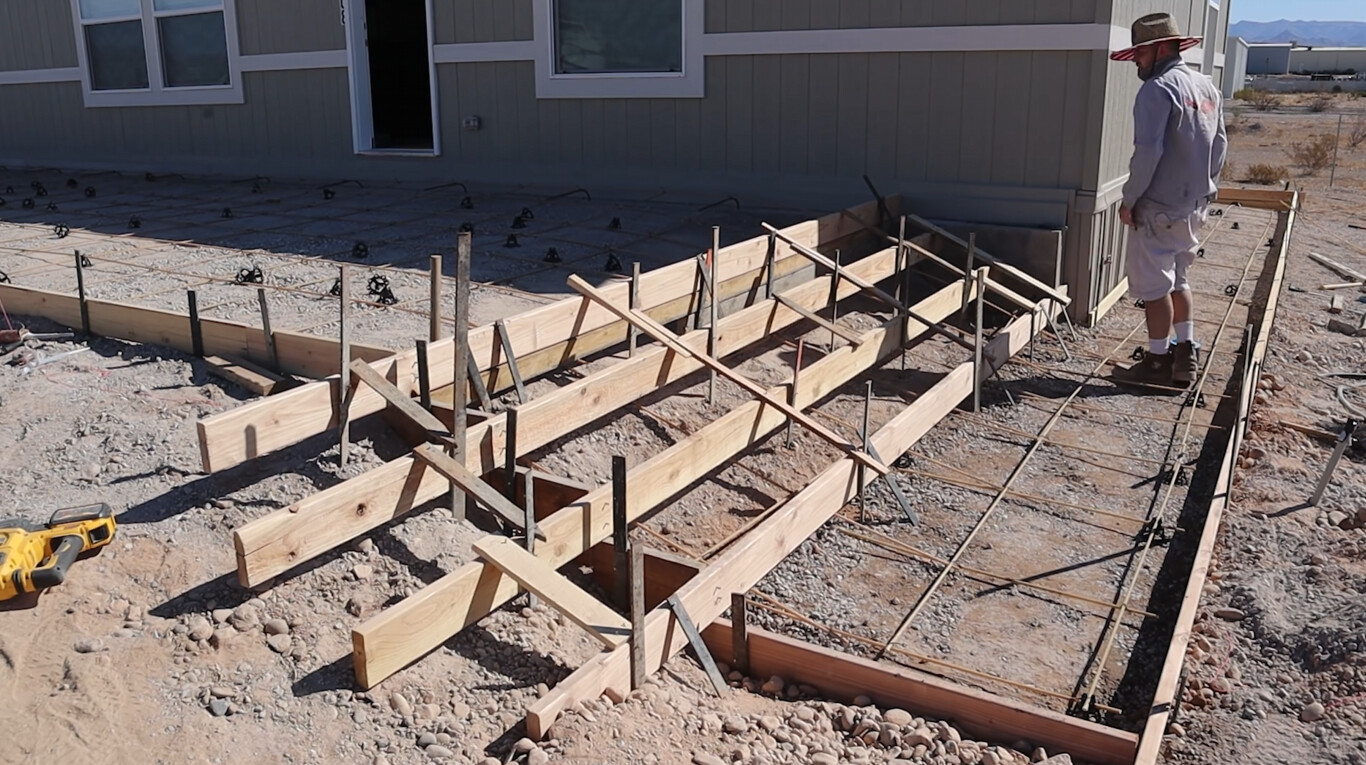
Footings come next. These are wider sections at the base of foundation walls that distribute the building's weight over a larger area. Think of them like snowshoes for your house. Footings are typically twice as wide as the wall thickness and at least as deep as the wall is thick. Rebar runs through footings and up into walls for continuous reinforcement.
For poured concrete walls, we build forms that hold the concrete in the right shape until it cures. Forms must be perfectly plumb, level, and braced to withstand the pressure of wet concrete. We install anchor bolts at the correct spacing before the concrete sets so your framer can bolt the structure down properly.
After the concrete cures, we strip forms and apply waterproofing. Below-grade concrete is always exposed to moisture, so proper waterproofing and drainage are essential. We install drain tile around the perimeter that carries water away before it can create hydrostatic pressure against walls. Backfilling happens last, using proper material placed in lifts to prevent voids.
Working With Engineers and Inspectors
Most foundation work requires engineered plans and building permits. We work with structural engineers who design foundations for your specific project and soil conditions. The engineer provides calculations and drawings that meet code requirements and ensure structural adequacy.
Multiple inspections happen during construction. Footings get inspected before we pour. Rebar placement and wall forms get inspected before the wall pour. Final inspections verify waterproofing and backfill. We coordinate all of this so your project stays on schedule and passes every inspection the first time.
Some homeowners see permits and inspections as obstacles, but they're actually protection for you. Inspections catch problems before they're buried underground forever. If you ever sell your home, having proper permits and inspections on record gives buyers confidence and can affect your sale price significantly.
Foundation Problems and Prevention
Most foundation problems trace back to water. Either water isn't draining away from the foundation, or waterproofing has failed, or gutters are dumping water right against the house. We address all of these issues during construction so they don't become problems later.
The second most common issue is improper soil compaction or settling. If excavation goes too deep in spots and gets filled back with loose dirt, that area will settle over time as the soil compacts. We take care to excavate accurately and avoid over-digging. When backfilling, we use proper fill material and compact it in lifts.
Finally, structural issues can occur if footings aren't sized correctly for soil conditions or if reinforcement is inadequate. This is why we follow engineered plans and don't cut corners. The cost difference between a proper foundation and a cheap one is relatively small upfront but enormous if problems develop.
Common Questions About Foundations
Here are some frequently asked questions about foundation installation in Merrillville, IN. If you have any other questions, feel free to reach out to us.
Planning a Foundation Project?
Foundation work requires experience and attention to detail. Let's discuss your project and ensure it's built to last.