Concrete Slabs & Flatwork
Solid foundations for sheds, garages, equipment pads, and any flat surface you need.
What Is Concrete Flatwork
Flatwork is exactly what it sounds like: any flat concrete surface. This includes slabs for sheds and garages, equipment pads for HVAC units or generators, workshop floors, barn floors, and other horizontal concrete surfaces. It's different from driveways or patios mainly in purpose and sometimes in thickness.
While the concept seems simple, quality flatwork requires attention to detail. The concrete needs to be level (or properly sloped for drainage), thick enough for its intended use, and built on a solid base that won't settle. Get any of these wrong and you'll have problems ranging from water pooling to cracks to complete failure.
Common Flatwork Applications
Here in Merrillville, we pour concrete slabs and flatwork for all sorts of residential and commercial uses:
- Shed Foundations: A proper concrete base keeps your shed dry, level, and prevents floor rot. Much better than building on gravel or dirt.
- Garage Floors: 4-6 inch slabs that can handle vehicle weight, tools, and equipment without cracking or deteriorating.
- Equipment Pads: Level platforms for HVAC units, generators, water heaters, or other outdoor equipment that needs stable support.
- Workshop Floors: Smooth, durable surfaces perfect for woodworking shops, auto repair bays, or hobby spaces.
- Basketball Courts: Properly leveled and finished slabs designed specifically for sports use with appropriate drainage.
- RV Pads: Heavy-duty slabs designed to support the weight of recreational vehicles and travel trailers long-term.
Each application has specific requirements. An HVAC pad might only need to be 4 inches thick, but an RV pad should be 6 inches or more. We size and design each project based on how you'll actually use it.
The Right Way to Pour a Slab
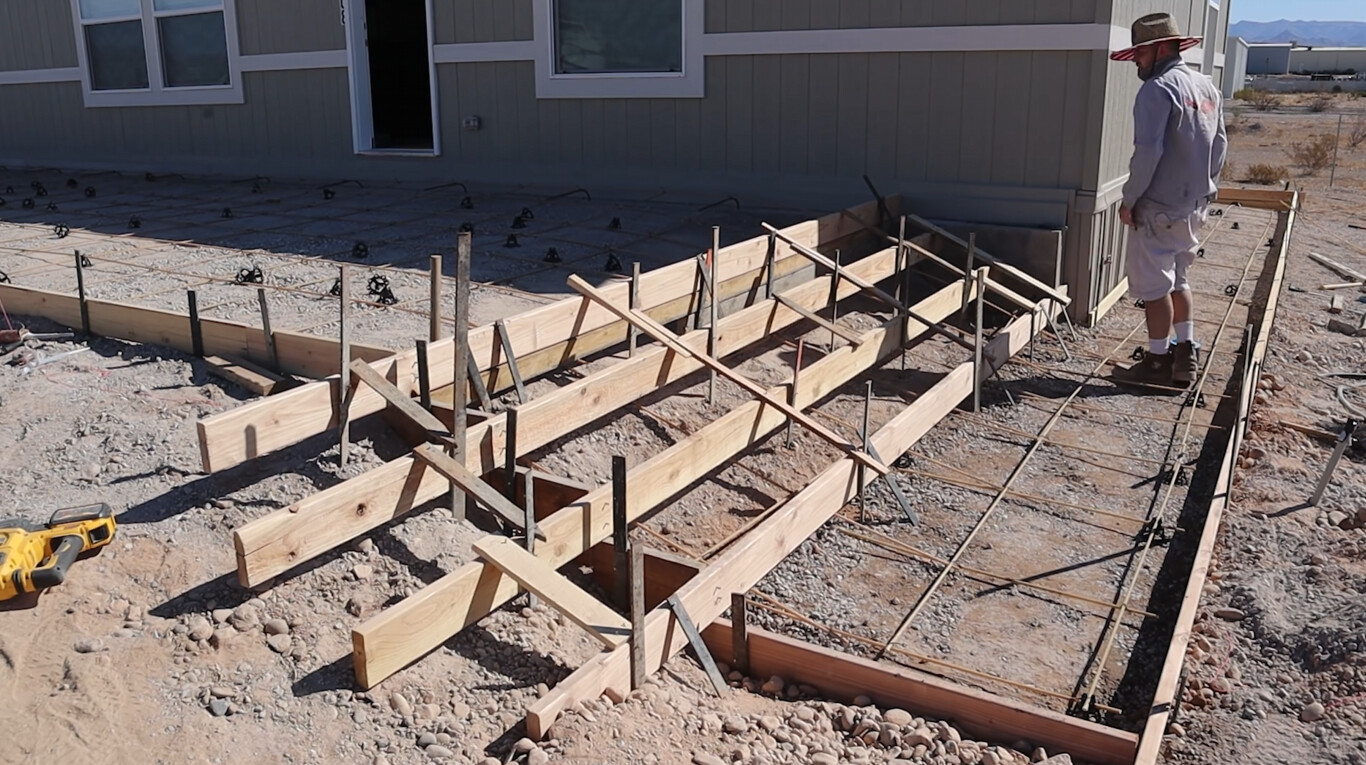
A concrete slab is only as good as what's underneath it. We start every project by removing topsoil and organic material, which can compress over time and cause settling. Then we bring in and compact crushed stone to create a stable base that promotes drainage.
Next comes proper grading. Even if a slab looks flat, it should have a slight slope (usually 1/4 inch per foot) to prevent water from pooling. We use laser levels to ensure accuracy. For larger slabs, we install rebar or wire mesh for reinforcement. This holds the concrete together if minor cracks do develop.
The pour itself is just as important. We need to work the concrete properly to eliminate air pockets without over-working it, which can weaken the surface. We pay attention to weather conditions. Pouring in extreme heat or cold requires special techniques to ensure proper curing. Control joints go in strategic locations to control where cracks form if they happen at all.
Finally, proper curing makes the difference between concrete that reaches full strength and concrete that remains brittle. We protect fresh concrete from drying too fast, which is especially important during hot Merrillville summers. Any experienced concrete slab contractor will tell you this patience pays off with a slab that lasts 30+ years instead of failing after 10.
Preparing Your Site for Concrete
Before we can pour concrete, the site needs to be accessible and clear. Make sure we can get equipment to the pour location. For most residential projects, a wheelbarrow path is enough, but larger slabs might need direct truck access. Clear the area of debris, plants, and anything else that might be in the way.
If you're putting a building on the slab, have those plans finalized before we pour. We need to know where anchor bolts or embedded hardware should go. Making changes after the concrete is poured is expensive or impossible. Most shed manufacturers provide detailed foundation plans that show exactly what they need.
We'll check for underground utilities before excavating. In most cases, you'll need to call 811 at least a few days before we start so utilities can be marked. This prevents accidentally digging into electrical, gas, or water lines. It's free and required by law, so there's no reason to skip this step.
How Much Does a Concrete Slab Cost
Slab costs depend on size, thickness, site access, and any special requirements like extra reinforcement or embedded hardware. As a rough guide, expect to pay between $6-12 per square foot for basic flatwork. So a 10x12 foot shed pad (120 square feet) might run $720-1440 depending on specifics.
Thicker slabs cost more because they use more concrete and often require additional reinforcement. Difficult site access can also increase costs if we need to pump concrete or wheelbarrow it long distances. We provide detailed written estimates that break down all costs so you know exactly what you're paying for.
While cost matters, remember that a properly built slab is a one-time investment that should last longer than most other parts of your property. Skimping on quality to save a few hundred dollars now often means spending thousands on repairs or replacement later. We focus on building things right the first time.
Common Questions About Concrete Slabs
Need a Concrete Slab or Flatwork?
We'll evaluate your project, recommend the right specifications, and provide a transparent quote with no surprises.